

The Enlighten Difference: Alaska's Cannabis Company Built on Integrity, Not Buzzwords.
Enlighten’s CEO reveals how family values became the company’s competitive advantage.
Dispensaries are on practically every street corner in Anchorage.
You’ll hear the exact same buzzwords at each one: small-batch, craft, premium, locally grown. But somewhere between the buzzword and the checkout counter, most brands quietly stop meaning it. Alaska has more retail cannabis businesses per capita than any other Western state (Anchorage Daily News), and the Anchorage Assembly’s zoning decisions effectively concentrate them all into the same few neighborhoods. This means if a customer doesn’t like the prices or inventory at one shop, they can drive one strip mall over, and find a better deal at a different dispensary.
The competitive pressure doesn’t reward quality. It rewards whoever cuts corners fastest.
Since legalization, over 100 cannabis businesses in Alaska have closed (Alaska’s News Source.) The ones that survived had to find creative ways to stretch their margins, usually at the expense of the consumer. What ends up in your preroll is often the answer to a problem you didn’t know you were solving for someone else.
Enlighten started with a different intention entirely: a family business built on integrity and genuine respect for the plant.
The Enlighten difference:
We’re here to elevate Alaska’s cannabis standards through products crafted with honesty, care, and absolutely no shortcuts.
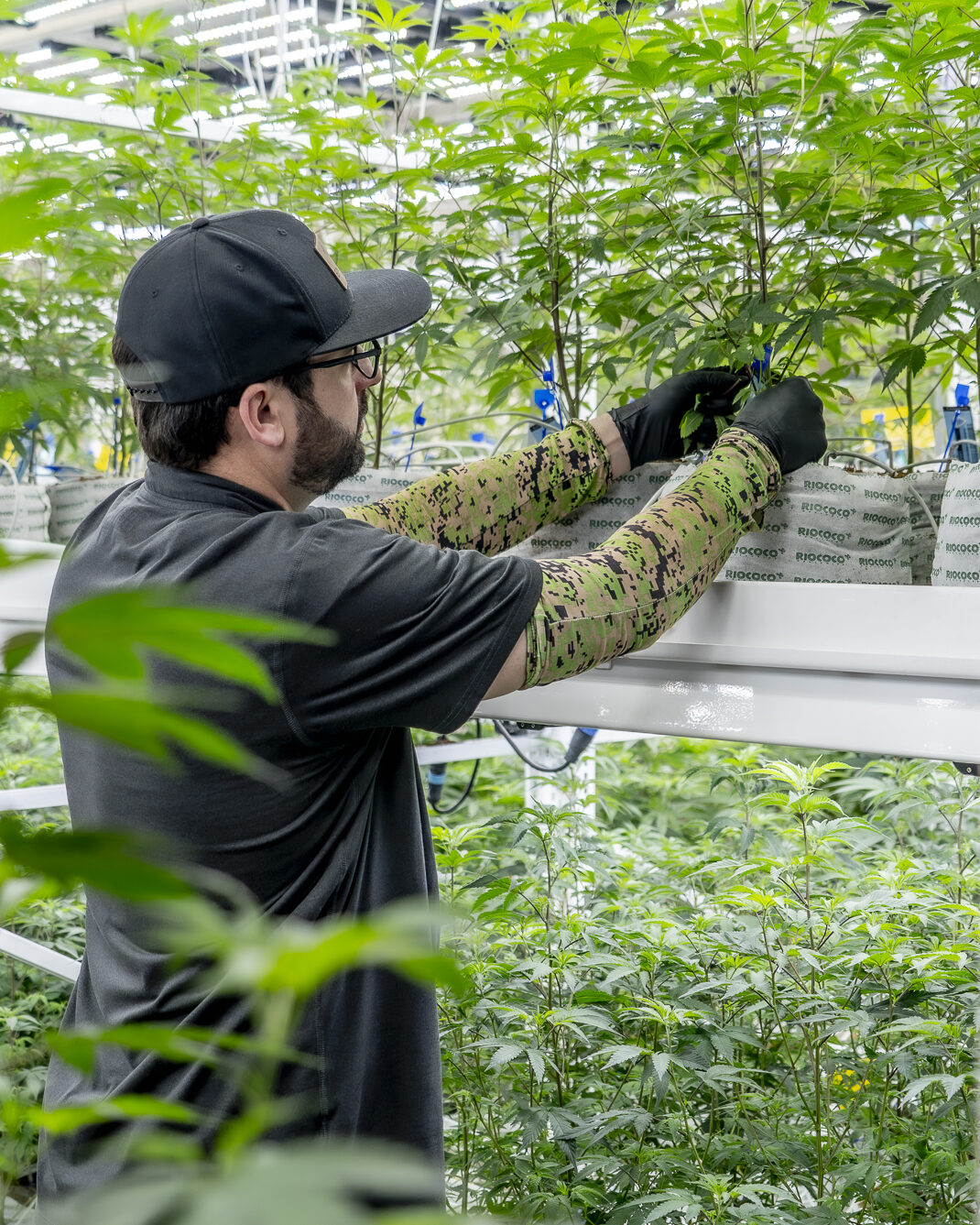
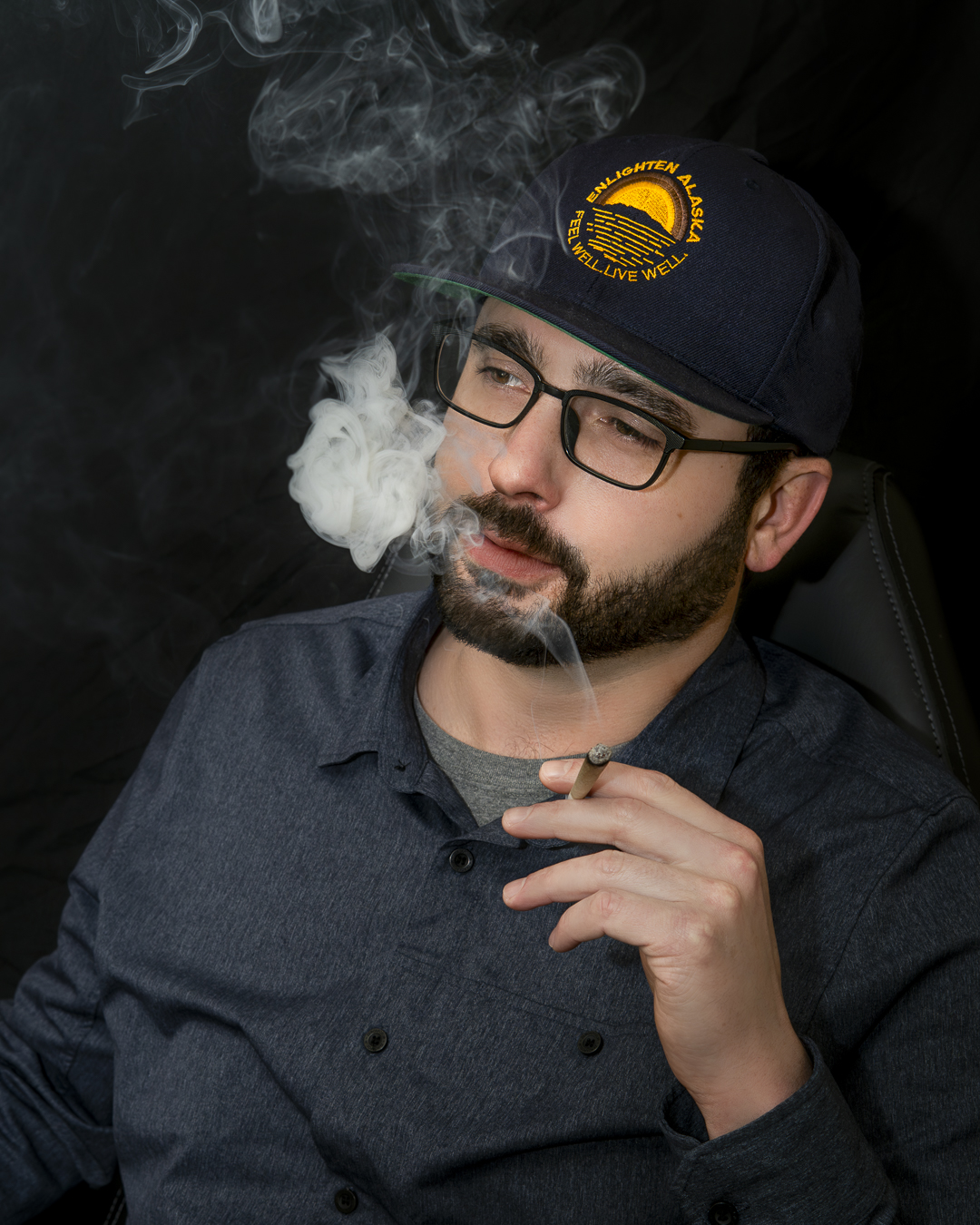
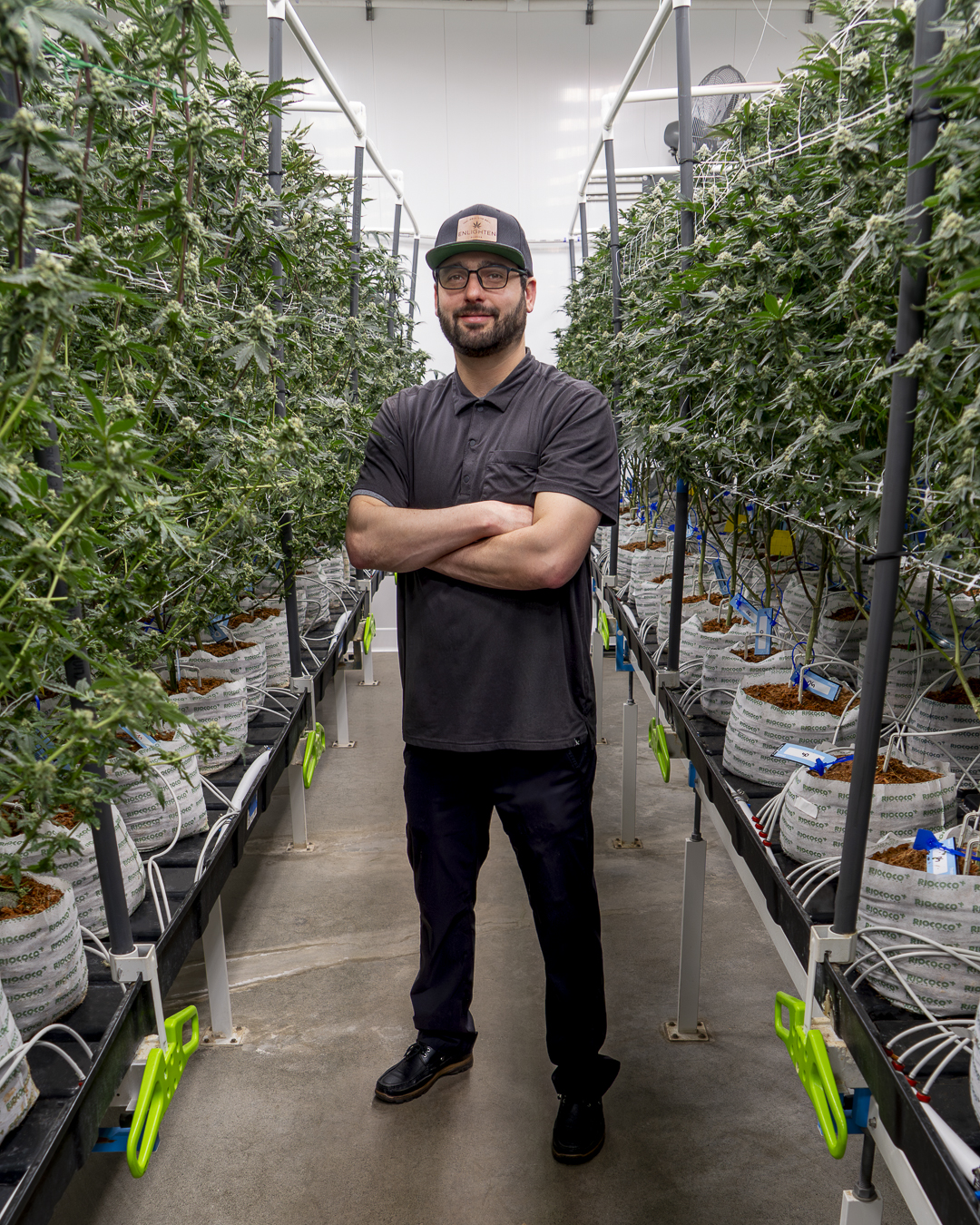
EVAN LEVINTON
Born ‘n raised true Alaskan, Father, Cannabis Enthusiast, Part-Owner and CEO of Enlighten.
“I’ve been a cannabis enthusiast for more than 25 years, and over time that interest turned into a deep respect for the plant and the craft behind growing it well. I wanted to understand quality on a deeper level, not just as a consumer, but as someone directly involved in cultivating the plant.
I took horticulture courses through places like Oaksterdam University, but just as important was the practical experience I gained in California working with indoor, outdoor, and light-deprivation cultivation. That gave me a real understanding of plant health, environmental control, harvest timing, and the many details that separate average cannabis from truly high-quality cannabis.
In 2012, I moved back to Alaska after spending a few years growing in California. At the time I was working construction, but I was also paying close attention to legalization and the way the cannabis industry was beginning to take shape at the state level.
From the beginning, the idea was rooted in family and in a genuine respect for the plant. Our original plan was to start with cultivation, but we came across a great retail location and realized it was the right place to begin. Opening the storefront allowed us to start building the Enlighten brand directly with customers and create a strong foundation before expanding further.
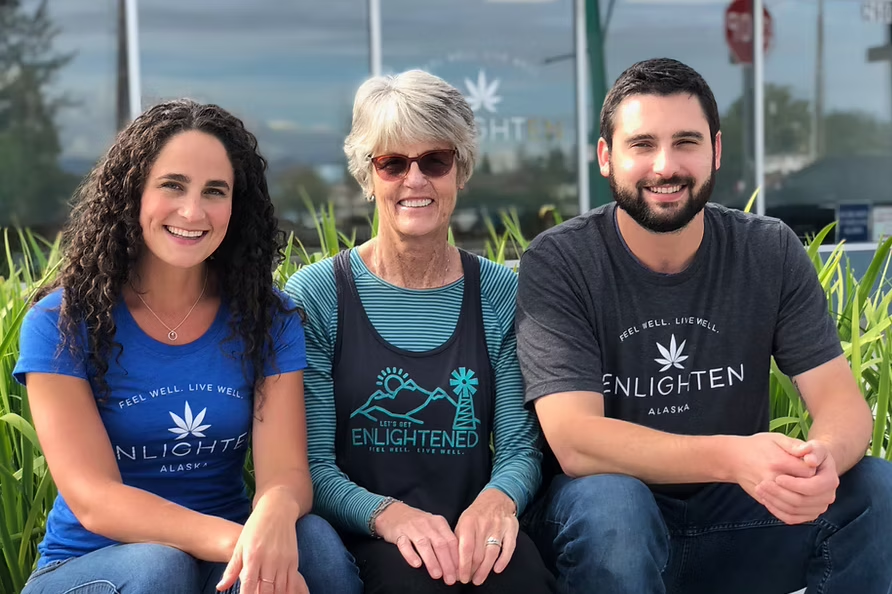
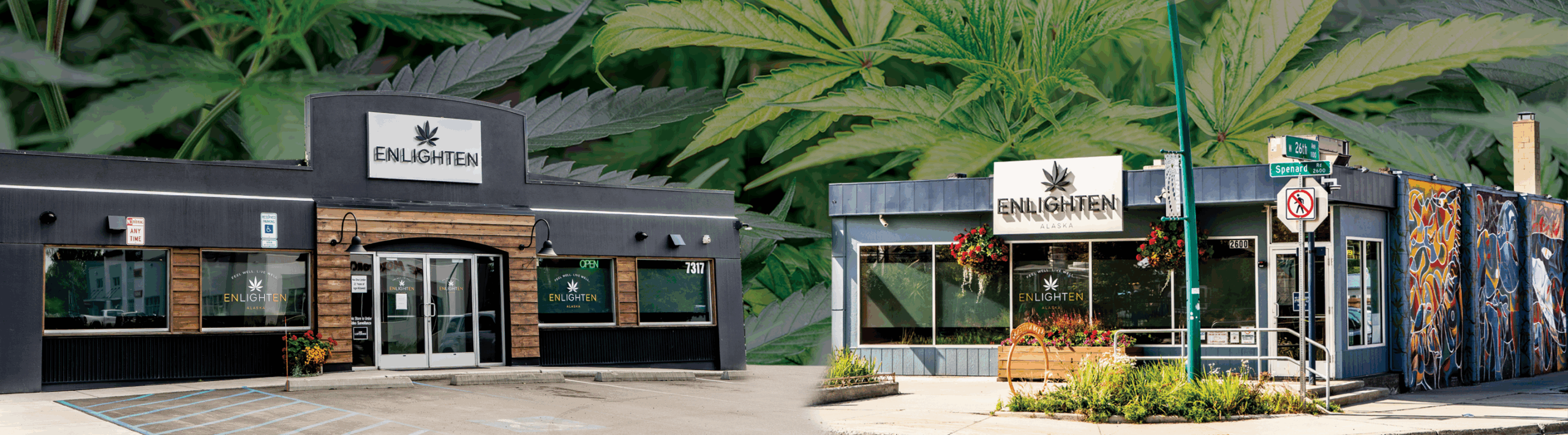
A few years later, we found the right warehouse and were able to add cultivation and manufacturing, which brought us into the vertically integrated model we operate today. Since then, we’ve added another retail location and continue to look at thoughtful ways to keep growing and developing the business.
Growing exceptional cannabis on a small scale is one challenge but delivering that same level of quality consistently at scale is something else entirely. Building a commercial operation requires systems, discipline, research, and a willingness to keep refining every part of the process.
The biggest challenge has been scaling the company without compromising the standards that mattered to us in the first place. As you grow, everything becomes more complex — operations, compliance, staffing, consistency, and capital. We’ve always tried to grow with intention. We never wanted to build fast just for the sake of growth; we wanted to build something solid, sustainable, and true to our values.
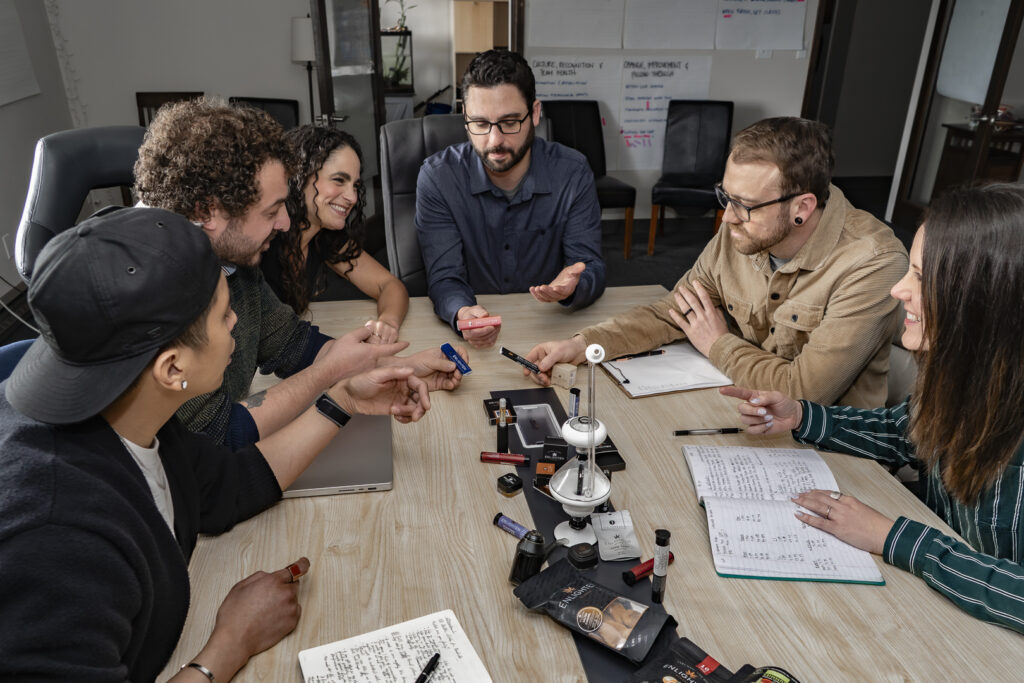
Working with family is not always the easiest path. There are definitely challenges that come with that dynamic, but I would rather navigate those challenges with people I trust completely than build around outside noise or misaligned priorities.
We all share the same vision for what we’re trying to build, and that has helped us stay focused on the bigger picture. Decisions get made from a place of shared values and long-term commitment, not short-term thinking. That kind of alignment has allowed us to move with more consistency and purpose as we’ve grown.
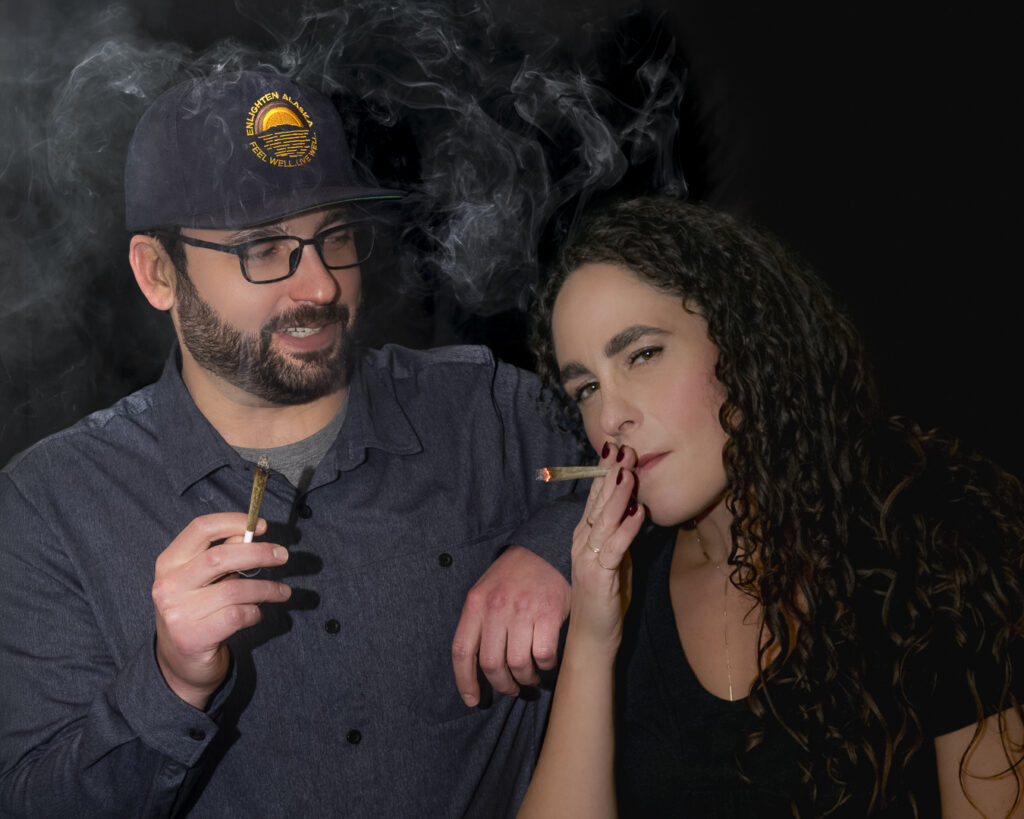
As the company has scaled, that family foundation has helped us protect our culture and stay grounded in what matters. In an industry where it can be easy to chase trends or cut corners, our family roots have helped keep us accountable to the standards and principles we started with.
In this industry, it’s common to use trim or lower-grade material in pre-rolls because it improves margins and helps move leftover biomass. We made the decision early on that we were not going to treat pre-rolls that way.
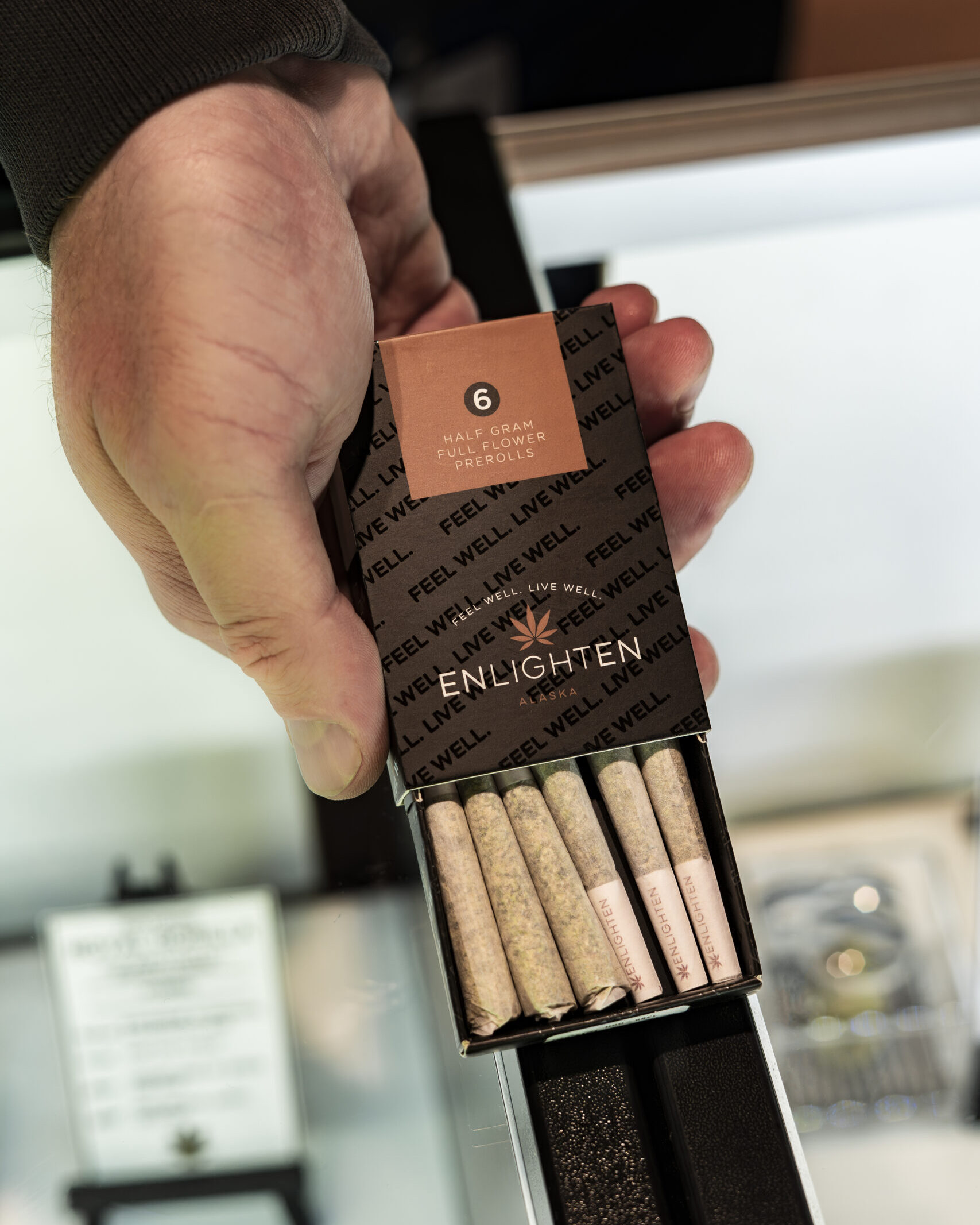
If a product carries the Enlighten name, it has to reflect the same standards we expect across the rest of the brand. That means taking a more thorough approach to our pre-roll process and using material we genuinely feel good about standing behind. It costs more in both labor and input material, and it means passing on an easier revenue stream, but that tradeoff matters to us.
These decisions can cost more in the short term, but they protect something more valuable in the long term: trust. We’ve always believed it’s better to make the harder decision and stay true to our standards than to make an easier sale by lowering them.
The most important thing is how much care, intention, and discipline goes into everything we do. What you see on the shelf is only the final result of a much longer process that involves research, refinement, quality control, and a lot of internal standards that most people never get to see.
We don’t look at cannabis as just another commodity. We take the plant seriously, and we take our responsibility to the customer seriously. That shows up in how we source genetics, how we grow, how we manufacture, and how we decide what is and isn’t ready to release.
At the end of the day, we’re not interested in cutting corners or putting something out just because it’s easy to sell.”
